
If you or your loved one is seeking a trusted rehab centre in Cape Town, you are already taking a courageous step toward a healthier, more fulfilling life. Cape Town stands out as a centre for quality addiction treatment in South Africa, with a range of facilities offering expert, holistic support to help you break free from addiction and rebuild your future.
Why Choose a Rehab Centre in Cape Town?
Cape Town is home to some of South Africa’s most respected rehabilitation clinics. Here, you benefit from:
- Personalised treatment plans: Each individual receives tailored therapy addressing their specific history, needs, and goals.
- Expert multidisciplinary teams: Reputable Cape Town centres employ experienced doctors, therapists, nurses, and addiction counsellors.
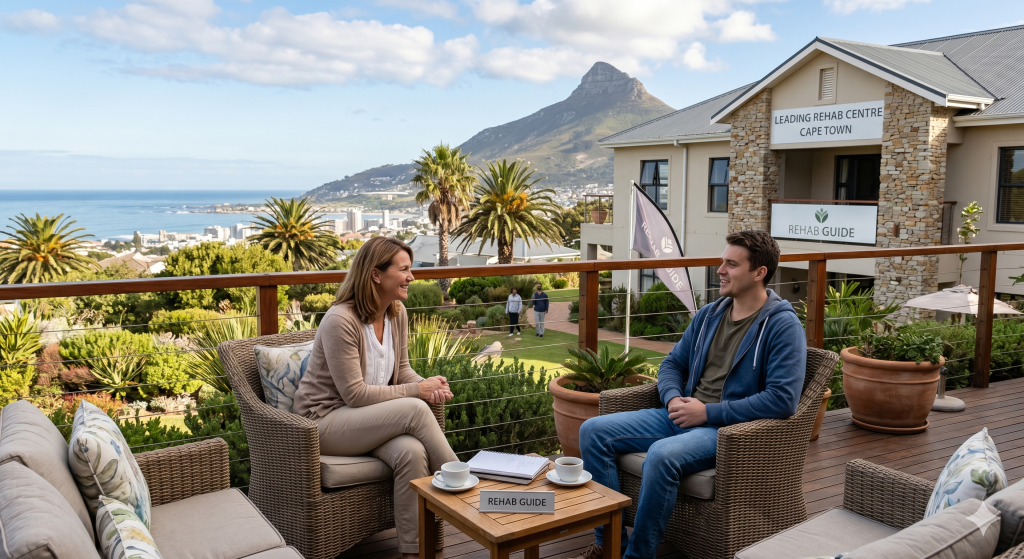
- Serene and private settings: Many centres are located near the sea or among mountains, offering privacy and a nurturing environment for healing.
- Holistic recovery options: Programmes include medical detox, one-on-one counselling, group therapy, family education, and wellness activities.
- Comprehensive aftercare: Ongoing support to help you sustain your recovery beyond your time in treatment.
Rehab Costs and Medical Aid
Rehabilitation costs in Cape Town vary significantly depending on the type of programme, duration, and facility chosen. Private residential treatment programmes typically range from R25,000 to R60,000 per month, while outpatient programmes cost between R8,000 to R20,000 monthly. Day programmes and intensive outpatient services offer more affordable options at R3,000 to R8,000 per month.
Most leading Cape Town rehabilitation centres accept major South African medical aids including Discovery Health, Momentum, Bonitas, and Medscheme. Medical aid coverage typically ranges from 70% to 100% of treatment costs, depending on your specific plan and benefits. Many centres provide dedicated staff to assist with medical aid authorisation and will verify your coverage before admission.
For those without medical aid or with limited coverage, several centres offer payment plans, sliding scale fees, or work with financing companies. Some government-funded facilities provide free or low-cost treatment options, though waiting lists may apply.
Free Rehabilitation Services in Cape Town
Several government-funded and non-profit organisations provide free addiction treatment services in Cape Town. The Western Cape Department of Health operates community-based treatment centres offering free outpatient programmes, group therapy, and counselling services. These include facilities in Mitchells Plain, Khayelitsha, and central Cape Town.
Non-profit organisations like SANCA (South African National Council on Alcoholism and Drug Dependence) provide free counselling, support groups, and educational programmes. The Salvation Army also offers residential treatment programmes at minimal cost for those who qualify based on financial need.
While free services may have longer waiting periods and limited bed availability, they provide essential support including medical detoxification, individual counselling, group therapy, and aftercare planning. Many also offer family support programmes and vocational training to assist with reintegration.
Treatment Process and Duration
The rehabilitation journey begins with a confidential assessment process to understand the individual’s specific needs and challenges. This initial phase is crucial for developing a tailored treatment plan. Following assessment, clients typically embark on a three-month comprehensive recovery programme. This phase may include a combination of therapy sessions, medical care, and lifestyle adjustments aimed at addressing both the physical and psychological aspects of addiction.
As the programme progresses, emphasis is placed on reintegration preparation, where individuals are equipped with skills and strategies to transition smoothly back into their daily lives. This includes building a support network and developing coping mechanisms to handle potential triggers. Upon completion of the primary treatment, aftercare support services play a vital role in maintaining sobriety. These services often involve ongoing counselling, support groups, and check-ins to ensure continued progress and prevent relapse.
Most Effective Addiction Therapy Methods in Cape Town
Cognitive Behavioural Therapy (CBT) is widely recognised as the most effective addiction treatment approach, helping individuals identify and change negative thought patterns and behaviours. Cape Town rehabilitation centres commonly combine CBT with other evidence-based therapies for comprehensive treatment.
Dialectical Behaviour Therapy (DBT) proves particularly effective for individuals with dual diagnosis conditions, teaching emotional regulation and distress tolerance skills. Motivational Interviewing helps clients develop internal motivation for change, while family therapy addresses relationship dynamics that may contribute to addiction.
Many Cape Town centres also incorporate holistic approaches including mindfulness-based relapse prevention, art therapy, equine-assisted therapy, and adventure therapy utilising the region’s natural environment. Group therapy sessions provide peer support and shared learning experiences, whilst individual counselling addresses personal trauma and underlying issues.
Comprehensive care for addiction encompasses various approaches, tailored to individual needs. Alcohol addiction treatment and drug rehabilitation programmes are designed to address substance dependency, offering both inpatient treatment programmes for intensive support and outpatient rehabilitation services for ongoing recovery. For those facing the dual challenges of mental health issues alongside addiction, dual diagnosis treatment provides integrated care. Additionally, behavioural addiction therapy targets non-substance-related dependencies, such as gambling, with specialised gambling addiction support to help individuals regain control and rebuild their lives.
The most successful programmes combine multiple therapeutic modalities tailored to each individual’s specific needs, addiction type, and personal circumstances.
Overcoming Addiction Without Residential Treatment
Many individuals successfully recover from addiction through outpatient programmes and community-based support systems. Intensive outpatient programmes (IOPs) in Cape Town offer structured treatment whilst allowing individuals to maintain work and family commitments. These programmes typically involve 3-5 sessions per week including individual counselling, group therapy, and educational workshops.
Support groups like Alcoholics Anonymous, Narcotics Anonymous, and SMART Recovery provide ongoing peer support and accountability. Many Cape Town meetings occur daily across various locations, offering flexible scheduling options.
Telehealth counselling services have expanded significantly, providing access to addiction specialists through video consultations. This option particularly benefits those in remote areas or with transportation challenges.
Self-help strategies include developing strong support networks, engaging in regular exercise, practising mindfulness meditation, and removing environmental triggers. However, individuals with severe addiction, multiple failed attempts, or co-occurring mental health conditions typically benefit from residential treatment’s intensive, supervised environment.
Family Support and Involvement
Family involvement plays a crucial role in the recovery journey, offering a foundation of support and understanding. Family education programmes provide essential knowledge about the recovery process, equipping loved ones with the tools they need to effectively support their family member. In tandem, family counselling services and family therapy sessions foster open communication and healing, addressing underlying issues within the family dynamic. Additionally, loved ones support groups offer a safe space for sharing experiences and emotions, further strengthening the support system. These initiatives are vital in developing a robust support system that nurtures the family healing process and ensures sustained recovery. By participating in family involvement programmes, families can collaboratively work towards a healthier future, reinforcing the bonds that aid in the recovery journey.
Take the Next Step
Ready to start your recovery journey? Contact Rehab Guide for expert advice, support, and a direct connection to Cape Town’s leading rehab centres. With personalised guidance and compassionate care, you can reclaim your life—one step at a time.