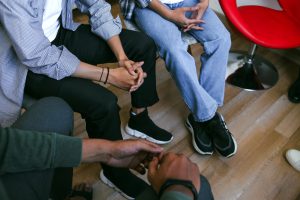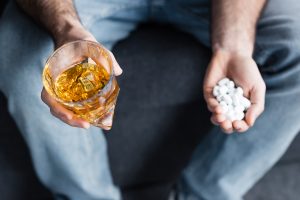

What Is Addiction?
Addiction is a complex medical condition that affects the brain’s functioning and a person’s behaviour. Whether it involves substances like alcohol and drugs or behavioural disorders such as gambling, addiction changes how you think, feel, and act. It is not a sign of weakness or a lack of willpower; rather, it is a recognised health disorder that affects people from all backgrounds.
The Signs and Symptoms of Addiction
Recognising an addiction early can make a significant difference in the recovery process. Some key signs to look out for include:
- Loss of control over substance use or behaviour
- Persistent cravings, even when trying to stop
- Neglecting responsibilities at home, work, or school
- Social withdrawal or secrecy about usage
- Continued use despite negative consequences
Addiction can also lead to anxiety, depression, mood swings, and strained relationships with loved ones.
The Impact of Addiction
The effects of addiction extend beyond an individual’s physical health. It can affect families, relationships, work, and self-esteem. Addiction often causes isolation and feelings of hopelessness, making it harder for individuals to seek help. Recognising these emotional and social impacts is the first step towards change.
Why Professional Help Makes a Difference
Addiction recovery is rarely successful through willpower alone. Professional addiction treatment provides a structured and supportive environment, offering:
- Medical detox and monitoring
- Evidence-based therapy (individual and group)
- Support for co-occurring mental health conditions
- Comprehensive aftercare and relapse prevention
At Rehab Guide, every treatment programme is tailored to meet the unique needs of each individual, ensuring the best chance of long-term recovery.
Treatment Options for Addiction in South Africa
South Africa offers a wide range of treatment and recovery options for those struggling with addiction:
- Residential rehab programmes: Safe, supervised settings focusing on intensive therapy
- Outpatient support: Flexible treatment that allows daily routines to continue
- Aftercare programmes: Ongoing follow-up, support groups, and relapse prevention
Rehab Guide connects you with top rehab centres nationwide, from Cape Town and Johannesburg to Durban, Pretoria, East London, and Port Elizabeth.
The Importance of Aftercare in Addiction Recovery
Recovery does not end after the initial treatment. Aftercare is crucial for maintaining sobriety and building a healthier lifestyle. This may include:
- Follow-up sessions with therapists
- Attending support groups
- Learning new coping skills
- Strengthening relationships with supportive people
Rehab Guide provides ongoing guidance and resources to help individuals remain focused on their recovery journey.
How to Choose the Right Addiction Support
Choosing the right addiction support is a personal journey. Look for:
- Qualified and experienced care teams
- Evidence-based and holistic treatment approaches
- Programmes tailored to your personal needs
- Accessibility and convenience of location
- Transparent information and supportive environment
Ready to Begin Your Recovery Journey?
If you or a loved one is struggling with addiction, know that help is available, and recovery is possible. At Rehab Guide, we are dedicated to supporting you every step of the way—with expert advice, reputable treatment options, and compassionate care. Take the first step towards a new chapter in your life today.
Frequently Asked Questions About Addiction
What causes addiction?
Addiction is influenced by a combination of genetic, psychological, environmental, and social factors.
Can I recover from addiction?
Absolutely. With the right support and treatment, many individuals achieve lasting recovery and rebuild healthy, fulfilling lives.
Is addiction treatment confidential?
Yes, your privacy and confidentiality are fully protected at all professional treatment centres.
Where can I get more information or help?
Visit Rehab Guide for resources, expert support, and a directory of trusted rehab centres across South Africa.